
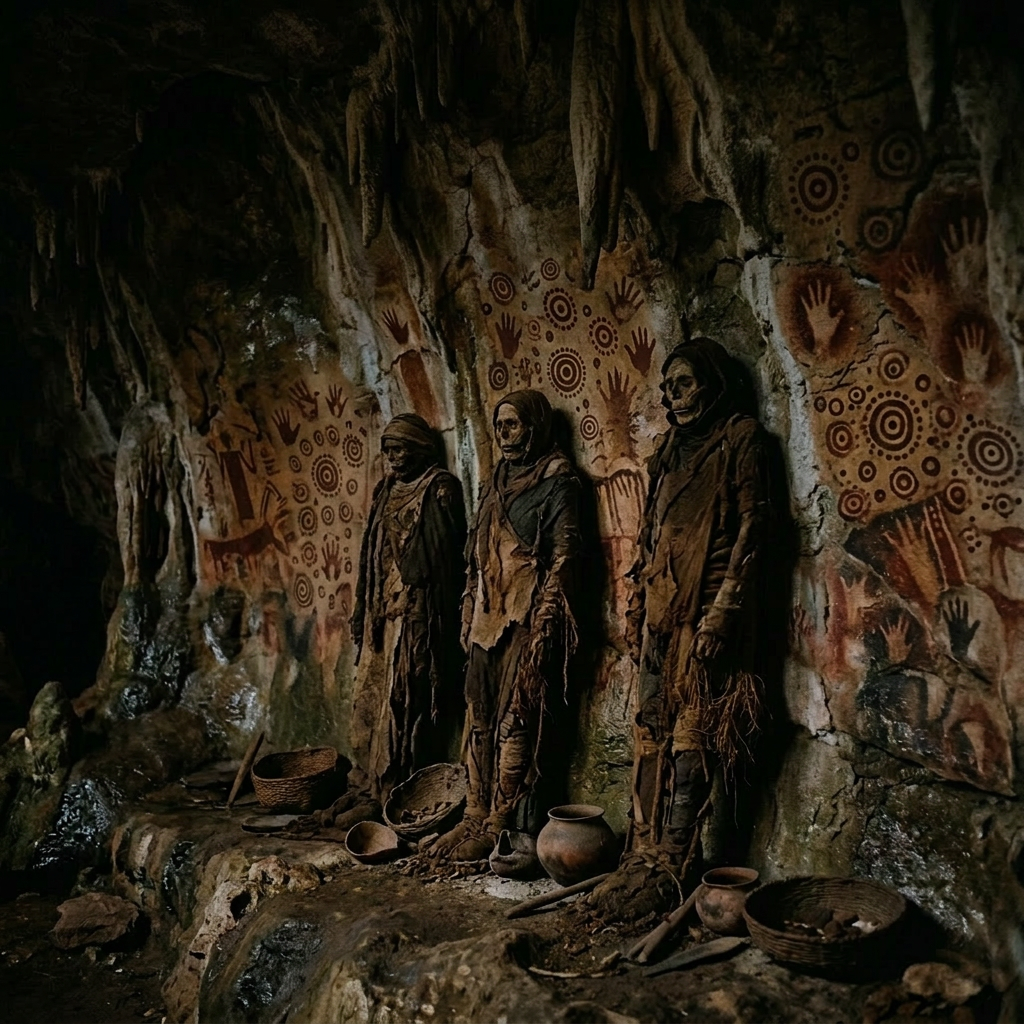
A KADITCHA BURIAL SITE
Not been discussed and is not being protected?
This is the only known cave burial site for Kaditcha guardian in Australia
Sign The Letter – Make A Difference

This is a site that needs to be protected to protect indigenous culture in Australia.
Kaditcha are the law keepers medicine men and magical practitioners of indigenous culture. They are the guardians.
Lack of Consultation With Locals & Indigenous
Unique heritage site for the Indigenous it is the only known KADITCHA burial sight in Australia. It was a seat of the ORISHAs.
According to Indigenous dreaming, failure to respect and protect this site will unleash horrors into the world.
OThe local indigenous residents are calling for an urgent injunction against any future development until REAL consultation with indigenous groups and NATIVE TITLE has taken place.
Help us to protect some of the most ancient mystical and unique cultural heritage in the world
- Sign the letter below and send this message to 70 Australian senators

Dreaming Stories of This Mountain Warn Against Taking What Does Not Belong to You or Desecrating Sacred Country
Among the Yugambeh people is an ancient Dreaming that speaks of the sacred responsibility to respect both the land and the possessions of others.
Long ago, a renowned hunter named Gwyala travelled with his beloved hunting dogs, Ningeroongun and Barrajanda. The two dogs were famous for their skill, driving kangaroos back toward the hunters’ camp where they could be taken for food.

One day, Gwyala and his nephew Burrajum crossed into neighbouring country. As the dogs pursued a kangaroo, the frightened animal leapt into a nearby lagoon. Two young women collecting water saw the movement of the dogs reflected on the water and alerted their people, who quickly surrounded and trapped the animals in hunting nets. The dogs resisted fiercely, and in the struggle both were killed.
When Gwyala arrived and discovered his faithful companions lying dead, he was overcome with grief. Seeing his uncle’s sorrow, Burrajum prepared an ancient rain-making ceremony by cutting a sacred vine.
Almost immediately, dark clouds gathered across the mountains. Heavy rain fell without pause. Rivers burst their banks, creeks became raging torrents, and enormous landslides tore through the landscape, destroying the camp of those responsible for the dogs’ deaths. The floodwaters reshaped the country itself, reducing towering mountains to the ridges and valleys seen today.
After the storms finally passed, Gwyala and Burrajum carried the remains of their loyal companions across the ranges to the twin peaks of Mount Cougal near Wollumbin (Mount Warning). There they buried each dog beneath a separate peak east of Wollumbin. Those peaks have since been remembered by the local indigenous names Ningeroongun and Barrajanda. These two watchdog peaks stand as a warning.
The story has long been understood as a warning against taking what belongs to others and a reminder that disrespect for sacred law can bring profound consequences. It concludes with the Yugambeh words:
“Nyah-nyah ngalingah kurul kaban.”
“Take care of our wilderness.”
Another tradition associated with this sacred landscape tells of revered medicine men whose resting places watch over the country and its people. According to local belief, these ancestral guardians continue to protect the land. It is said that if their burial places are disturbed, or if Wuyun-gali Borrol (Springbrook Mountain) is treated without proper respect, the land itself will respond, and the cliffs will appear to run with blood—a powerful reminder that sacred places should be honoured and protected for future generations.